
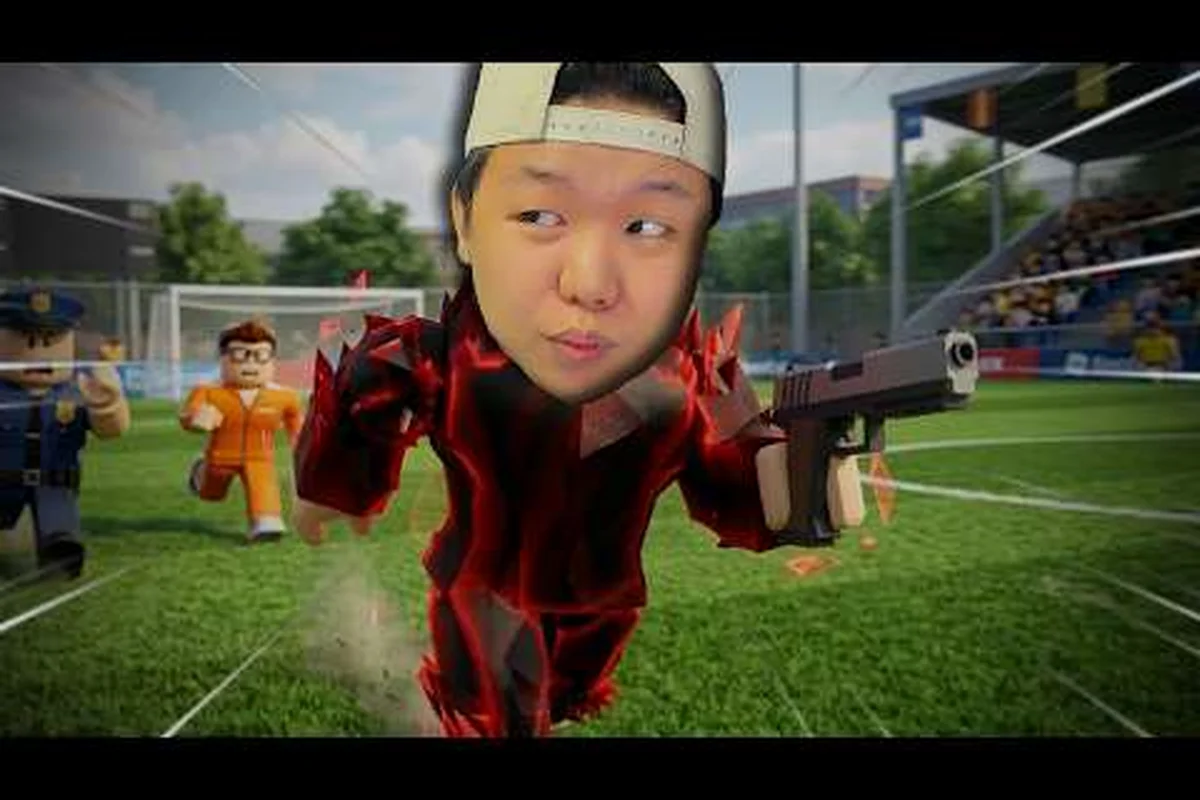
Illegal Soccer throws out the rulebook and keeps the net, so every match becomes a sprint-fight where stamina, respawn windows, and a stubborn AI keeper decide the score. This illegal soccer progression guide walks through the hidden mechanics that separate casuals from match-winners: the stamina drain curve, the respawn timer, the keeper AI cone, and the no-referee environment that turns every duel into a free-for-all. Mastering these systems is what makes progression feel smooth instead of chaotic.
The Match Framework: 8 Players, No Whistle, and a Hard Clock
Servers host 8 players split between Red and Blue pads, and matches operate on a tight clock with no referees and no fouls. According to Sportskeeda, the no-referee design is the core identity: tackles, items, and full-body checks are all legal at any point on the pitch. That single rule rewires the entire progression loop because the same Coin payout is gated by the same chaotic conditions every player faces.
The clock is the second great equalizer. Most matches wrap inside a short fixed window, after which a draw is recorded. Because the timer never pauses for fouls or stoppages, stamina budgeting matters more than raw sprinting. Players who sprint into every challenge run dry at the worst moment and watch a counter-goal roll in while they recover.
| Match Element | Default Behavior | Why It Matters for Progression |
|---|---|---|
| Server cap | 8 players (4v4) | Smaller lobbies mean each individual win has heavier Coin weight |
| Referee | None | Every tackle is legal, so defensive cooldown drives survival |
| Match clock | Fixed, short window | Stamina management decides late-match outcomes |
| End state | Goal wins, draw on time | XP and Coin payout still credit on draws (per community testing) |
The progression loop is simple on paper: play matches, earn Coins, roll the Daily Shop, unlock items, and use those items to win more matches. The hidden mechanics live in the gap between each step, where stamina, respawn pacing, and keeper reading decide who actually climbs.
Stamina System: The Hidden Ceiling on Aggression
Stamina is the silent gatekeeper of every match. Sprint, tackle, and lob actions each draw from the same pool, and the pool refills only when you stop committing actions. New players burn out chasing the ball at full sprint and arrive at the duel with nothing left, which is the single most common reason goals slip away late.
The curve behaves like a soft cap: light jogging barely drains, holding sprint drains steadily, and tackle inputs spike the bar hard. After a tackle the recovery window is longer than most beginners expect, so chaining two tackles without a breath is the fastest route to standing still while the opposing winger walks the ball into your net.
| Action | Stamina Cost | Recovery Delay | Progression Tip |
|---|---|---|---|
| Light jog | Minimal | None | Use to reposition between duels |
| Sprint hold | Steady drain | Short pause | Reserve for clear goal-scoring lanes |
| Tackle (E) | High spike | Long recovery | Commit only when the ball is in range |
| Lob (R) | Moderate | Short pause | Best used once, then jog into the rebound |
| Kick (F) | Low | Brief | Safe to spam during tap-in finishes |
According to AllThings.how, the default keybinds reserve Shift for sprint, so stamina is effectively a second resource layered on top of the action bar. The guide notes that pacing sprinting between duels — not during them — is what carries players through the back half of a match when everyone else is gassed.
Treat stamina like a currency. If you would not spend 1,000 Coins on a coin-flip chance to score, do not spend a stamina bar on a low-percentage tackle. That mental model is what progression veterans use to stretch every match into maximum Coin yield without ever feeling the late-game slowdown.
Respawn and Recovery: Why Timing the Dead Ball Matters
Respawn in Illegal Soccer is fast enough that death is rarely the problem, but the recovery window still shapes positioning. After a heavy tackle, the tackled player is briefly immobile, and the tackler takes a short cooldown before they can re-engage. During that window, the ball often bounces free and the next player to reach it wins possession, which is why kickoff tackles are so dominant.
The respawn window doubles as a defensive tool. A well-timed tackle on a counter-attacker not only stops the shot but also leaves the ball loose near the halfway line, where your team has a numbers advantage because the attacker is still recovering. Community reports on Reddit describe the kickoff tackle steal as the cleanest progression accelerator: let an opponent take first touch, then commit the tackle the instant they turn, and the ball usually falls to a teammate with a clear run at goal.
| Phase | What Happens | Progression Lever |
|---|---|---|
| Pre-tackle | Both players at full mobility | Read body angle before committing |
| Contact | Both players locked, ball loose | Closest teammate wins the second ball |
| Tackler recovery | Short cooldown, can't re-tackle | Reposition to support, do not chase |
| Tackled recovery | Brief immobility | Re-enter the play at half speed |
| Ball live | Free for both teams | First to second ball wins possession |
The respawn timer is short on purpose, so the punishment for losing a duel is positional, not temporal. Players who treat each tackle as a two-step sequence — commit, then reposition — accumulate far more second balls than players who sprint blindly at every duel. That single habit is the biggest jump in win rate for players transitioning out of beginner brackets.
Keeper AI: Reading the Cone, Picking the Right Finish
The keeper AI is the only opponent you cannot tackle, and reading its behavior is the most important scoring skill in the game. According to AllThings.how, the keeper reads head-on shots very well, which means the straight-down-the-middle finish is the lowest-percentage goal in the game. The keeper's reaction cone favors shots that travel along its central axis, and any shot that breaks the cone — by curving, by lifting into the top corner, or by arriving from a tight angle — slips past the reaction window.
Two finishes consistently beat the keeper. The goal-line tap-in works when you have already beaten the last defender and the keeper has come off the line: a soft touch along the ground into the open net is almost unmissable. The far-corner shot works from wider angles: aim for the top corner away from the keeper's lead foot, and the shot curves outside the reaction cone.
| Shot Type | Best Range | Keeper Reaction | Success Rate |
|---|---|---|---|
| Head-on power shot | Outside the box | Strong | Low |
| Goal-line tap-in | Inside the 6-yard box | Committed forward | High |
| Far-corner top shot | 20–30 degree angle | Outside cone | High |
| Lob over rushing keeper | 1v1 breakaway | Slow drop | Medium-High |
| Rebound tap | After keeper save | Recovering | Medium |
The keeper's cone is the single most important hidden mechanic in the game. Once you start picking the corner instead of the keeper, the scoring rate jumps noticeably and so does the Coin income per match. Combine that with an item like the Bazooka (covered in the Illegal Soccer item guide) and you can convert late-match stamina into guaranteed goals.
No-Referee Rules and How They Reshape Progression
The no-referee rule is not just flavor text — it removes the safety net that traditional soccer games lean on. There are no fouls, no cards, and no offside calls, which means the only thing that stops a sprinting attacker is a well-timed tackle. For progression, that has two consequences: defensive play is rewarded for aggression, and offensive play is rewarded for stamina budgeting.
Items are legal at any moment, including while the ball is in play, which turns the item slot into a tempo tool rather than a set-piece tool. The Illegal Soccer item guide covers which items win the tempo war, but the short version is that anything that disrupts the keeper or clears a defender at range compounds your stamina advantage. Players who use items reactively — to stop a counter, not to start an attack — keep their stamina pools healthier through the back half of matches.
Because tackles are always legal, the defensive meta revolves around second balls, not clean interceptions. The Illegal Soccer midfield guide covers positioning, but the rule of thumb is simple: win the first tackle, then immediately contest the second ball. That habit alone converts defensive stops into offensive possessions, which compounds into goals and Coin income.
Progression Routine: From Beginner to Match-Winner
Pulling every mechanic together into a routine is what turns a casual player into a progression grinder. The loop looks like this: queue up, swap to your best two-item loadout during intermission, win the kickoff tackle, manage stamina through the mid-match, convert with corner shots or tap-ins, and bank the Coin payout. Repeat until your Daily Shop rolls surface the items that fit your playstyle.
| Step | Action | Mechanic Levered |
|---|---|---|
| 1 | Join Red or Blue pad during intermission | Lobby and team assignment |
| 2 | Equip two best items on keys 1 and 2 | Loadout optimization |
| 3 | Win the kickoff with a delayed tackle | Second-ball respawn window |
| 4 | Budget sprint and tackle stamina | Stamina curve |
| 5 | Finish with corner or tap-in shots | Keeper AI cone |
| 6 | Spend Coins on Daily Shop rolls | Progression economy |
| 7 | Repeat with upgraded items | Compounding match wins |
A common beginner trap is to roll the Daily Shop the moment they have 1,000 Coins. According to AllThings.how, the Daily Shop odds for the top rarity sit around 1%, so chasing the jackpot on a small Coin bank is the fastest way to stall progression. The disciplined path is to bank roughly 5,000–10,000 Coins before spending, which gives you enough rolls to clear a few Rare or Epic items and stabilize your loadout.
For a deeper breakdown of how the hidden mechanics layer on top of these systems, the Illegal Soccer Roblox guide maps the same content to the official Roblox page experience. Treat that guide as the on-ramp and this progression guide as the system-level view: same game, different zoom.
Frequently Asked Questions
Does stamina regenerate during a tackle recovery?
Yes, stamina refills passively the moment you stop committing actions, but the tackle recovery cooldown locks you out of new tackle inputs for a short window. Jog lightly during that cooldown so the bar tops up before your next engagement, especially in the back half of the match when most players are already drained.
How long does the respawn window last after a heavy tackle?
The respawn window is short by design, usually a beat or two, which is why the second ball matters more than the first contact. Plan your next move around the loose ball rather than around the tackled player, because whoever reaches the second ball first usually wins the possession chain that leads to a shot on the keeper.
Can the keeper AI save a far-corner top shot?
Rarely, because the keeper reaction cone favors central shots and the top corner sits outside that cone. The far-corner finish is the highest-percentage shot in the game when you are already inside the attacking third, and it is the shot to default to whenever the keeper has committed off the line.
Are there any items that counter the no-referee environment?
Yes, items that disrupt opposing players at range — like the Bazooka or Barricade — give you tempo control without spending stamina. The Illegal Soccer item guide covers which items compound best with a stamina-light playstyle, but the general rule is that ranged disruption frees your stamina bar for the duel that actually decides the goal.